
Cat:Rezervor FRP
FRP (plastic armat din fibră de sticlă) rezervoarele de filtrare de înmuiere iese în evidență pentru adaptabilitatea lor și sunt disponibile într -...
Vezi detaliiService hotline: +86-13396595772


Membranele de ultrafiltrare (UF) sunt esențiale pentru tratarea apelor uzate din industria chimică, deoarece oferă o barieră fizică fiabilă împotriva substanțelor organice cu greutate moleculară mare, silice coloidal, uleiuri emulsionate și solide în suspensie - componente pe care tratamentele biologice sau chimice convenționale nu le pot îndepărta în mod constant. Prin livrarea efluentului cu turbiditate constant sub 0,1 NTU și un indice de densitate a nămolului (SDI) sub 3, membrana UF s permit sistemelor de osmoză inversă (RO) din aval să funcționeze fără curățare chimică frecventă, reducând costurile de înlocuire a membranei cu până la 40% și reducând generarea de deșeuri periculoase.
Fabricarea chimică generează emulsii stabile de ulei în apă pe care separatoarele gravitaționale nu le pot capta. Membranele UF cu dimensiuni ale porilor în intervalul 0,01–0,1 μm realizează o respingere de peste 99% a uleiurilor emulsionate și a particulelor în suspensie până la 20 nm. O instalație petrochimică tipică care tratează 500 m³/zi de apă uzată a raportat o reducere a uleiului și grăsimilor de la 250 mg/L la mai puțin de 5 mg/L după UF, îndeplinind limitele de descărcare directă.
Fără pretratare UF, membranele RO din sistemele de reutilizare a apelor reziduale chimice se defectează în decurs de 3-6 luni. Pretratarea UF produce în mod constant apă SDI<3 (adesea SDI<2), extinzând intervalele de curățare RO de la săptămânal la o dată la 8-12 săptămâni. Acest lucru reduce consumul de substanțe de curățare chimice cu peste 70% și prelungește durata de viață a membranei RO de la 2 ani la 5-7 ani în operațiunile reale ale fabricii chimice.
Multe procese chimice descarcă polimeri organici, agenți tensioactivi și agenți de complexare cu greutăți moleculare mai mari de 10.000 Da. Membranele UF (MWCO 10–150 kDa) ating 90–98% respingere a acestor macromolecule, reducând semnificativ cererea chimică de oxigen (COD) fără adăugarea de coagulanți. O instalație chimică de specialitate a înregistrat o reducere a COD de la 1.200 mg/L la 180 mg/L după UF, eliminând 85% din COD polimeric nebiodegradabil.
| Parametru | Filtrarea media convențională | Membrana UF |
|---|---|---|
| Turbiditatea efluentului | 0,5–2,0 NTU | <0,1 NTU (de obicei 0,02–0,05 NTU) |
| Indicele de densitate a nămolului (SDI) | 4–6 | <3 (adesea 1–2) |
| Îndepărtarea bacteriilor/patogenilor | Parțial (2–3 log) | > 6 eliminare jurnal (validat) |
| Consumul de apă de spălare în contrasens | 5-8% din furaj | 2–4% din furaj (cel mai scăzut dintre toate pretratările) |
Datele de mai sus sunt compilate din înregistrările operaționale ale fabricilor chimice din China, Germania și SUA (2020-2025). Membranele UF realizează în mod constant o îndepărtare mai bună a solidelor de ordinul de mărime în timp ce folosesc cu 50% mai puțină apă de spălare în contravaloare în comparație cu filtrele multimedia.
Apele uzate chimice conțin adesea metale toxice sau substanțe organice care clasifică nămolurile ca fiind periculoase. Coagularea-filtrare convențională generează 0,5–1,2 kg de nămol chimic per m³ tratat. Membranele UF care funcționează fără coagulanți o reduc la 0,1–0,2 kg/m³ (retentatul concentrat), scăzând costurile de eliminare cu 60–80% pentru o fabrică tipică de chimie fină.
Multe procese chimice sunt perturbate dacă tratamentul introduce floculanti sau coagulanți (de exemplu, ioni de aluminiu sau fier). Membranele UF realizează efluent stabil de 0,02 NTU fără substanțe chimice, păstrând puritatea apei pentru reutilizare directă în turnuri de răcire sau ca apă de proces de calitate scăzută. O fabrică agrochimică a refolosit 85% din apele sale uzate tratate cu UF, economisind 120.000 m³/an de apă proaspătă.
Instalațiile chimice experimentează schimbări bruște ale pH-ului sau evenimente cu conținut ridicat de solide. Membranele UF tolerează solidele în suspensie până la 500 mg/L și pH 2-11 (în funcție de materialul membranei). În evenimentele de șoc documentate, sistemele UF au continuat să producă apă <0,1 NTU, în timp ce filtrele convenționale s-au defectat în decurs de 2 ore din cauza orbirii.
Pentru a maximiza performanța UF în apele uzate chimice, următorii parametri sunt critici:
Plantele care aderă la aceste linii directoare de proiectare raportează durate de viață ale membranei UF care depășesc 7-10 ani pentru membranele cu fluorură de poliviniliden (PVDF), cu o pierdere de permeabilitate mai mică de 15% în 5 ani.
Nicio altă tehnologie nu se potrivește cu combinația UF de îndepărtare absolută a particulelor, rezistență chimică și amprentă redusă pentru apele uzate chimice provocatoare. Tendințele de reglementare (de exemplu, GB 8978-2025 din China, concluziile UE BAT pentru sectorul chimic) impun din ce în ce mai mult filtrarea UF sau echivalent cu membrană înainte de descărcare sau reutilizare.
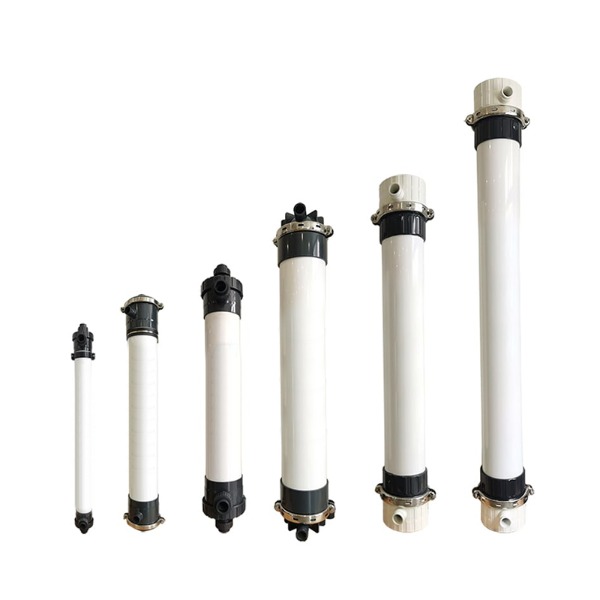
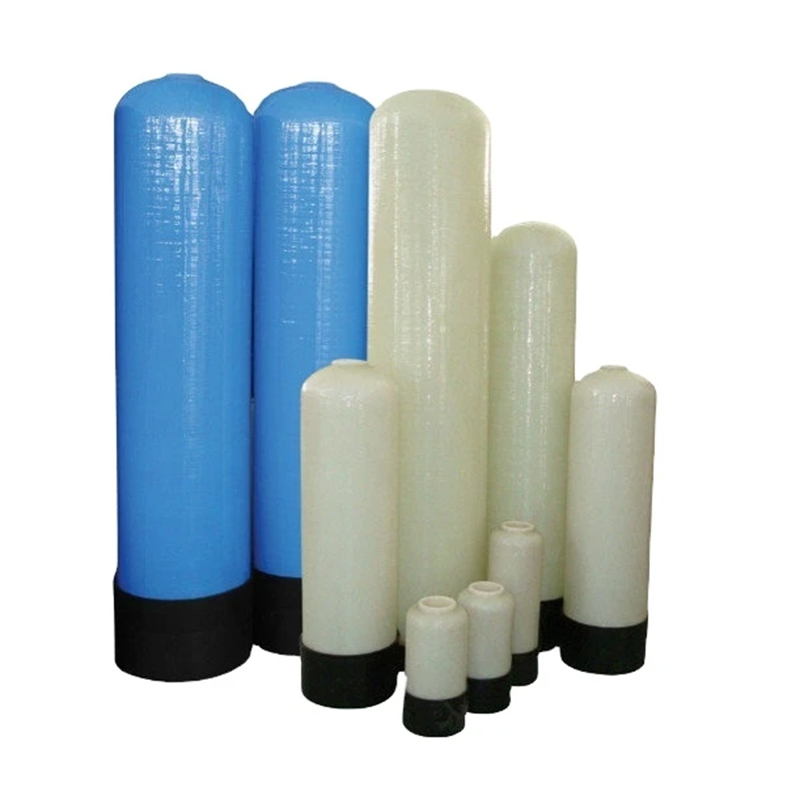
FRP (plastic armat din fibră de sticlă) rezervoarele de filtrare de înmuiere iese în evidență pentru adaptabilitatea lor și sunt disponibile într -...
Vezi detalii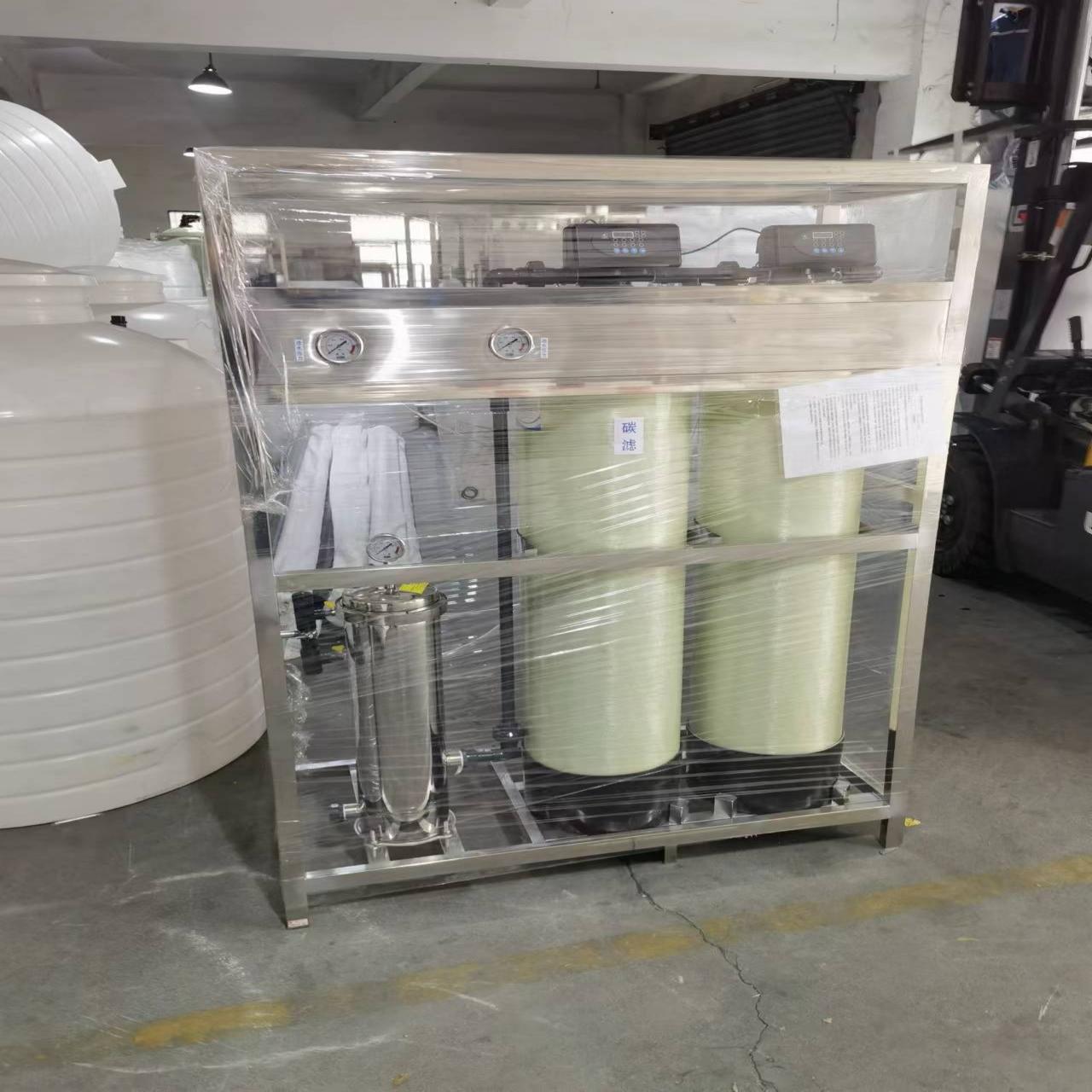
Rezervorul compact de filtru de carbon cu filtru de nisip de 1 tonă este un echipament de filtrare de înaltă eficiență pentru tratarea apei. Acesta...
Vezi detalii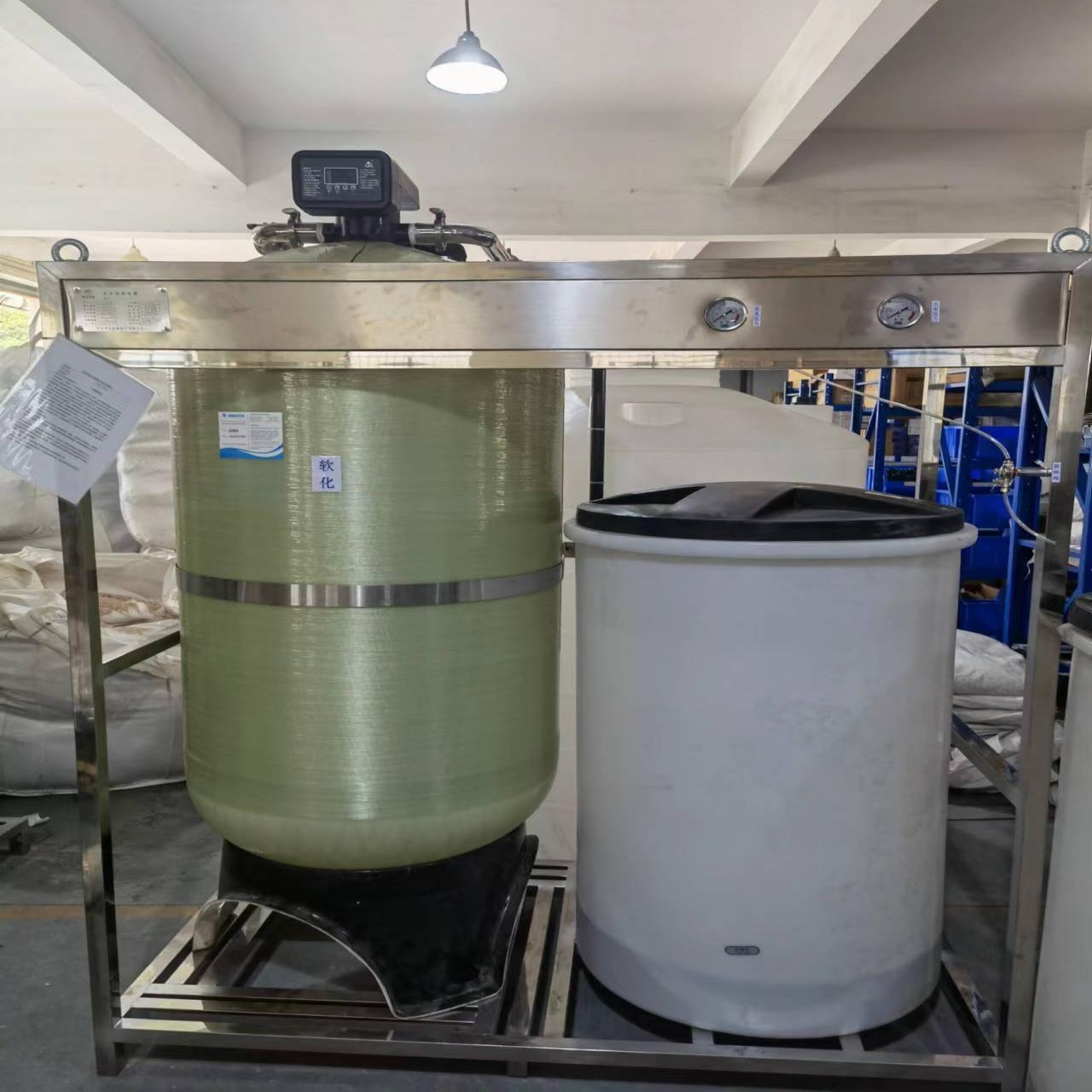
Rezervorul unic de 6-8 tone este un echipament de tratare a apei cu o capacitate moderată, proiectată pentru ocazii care necesită un tratare mare a...
Vezi detalii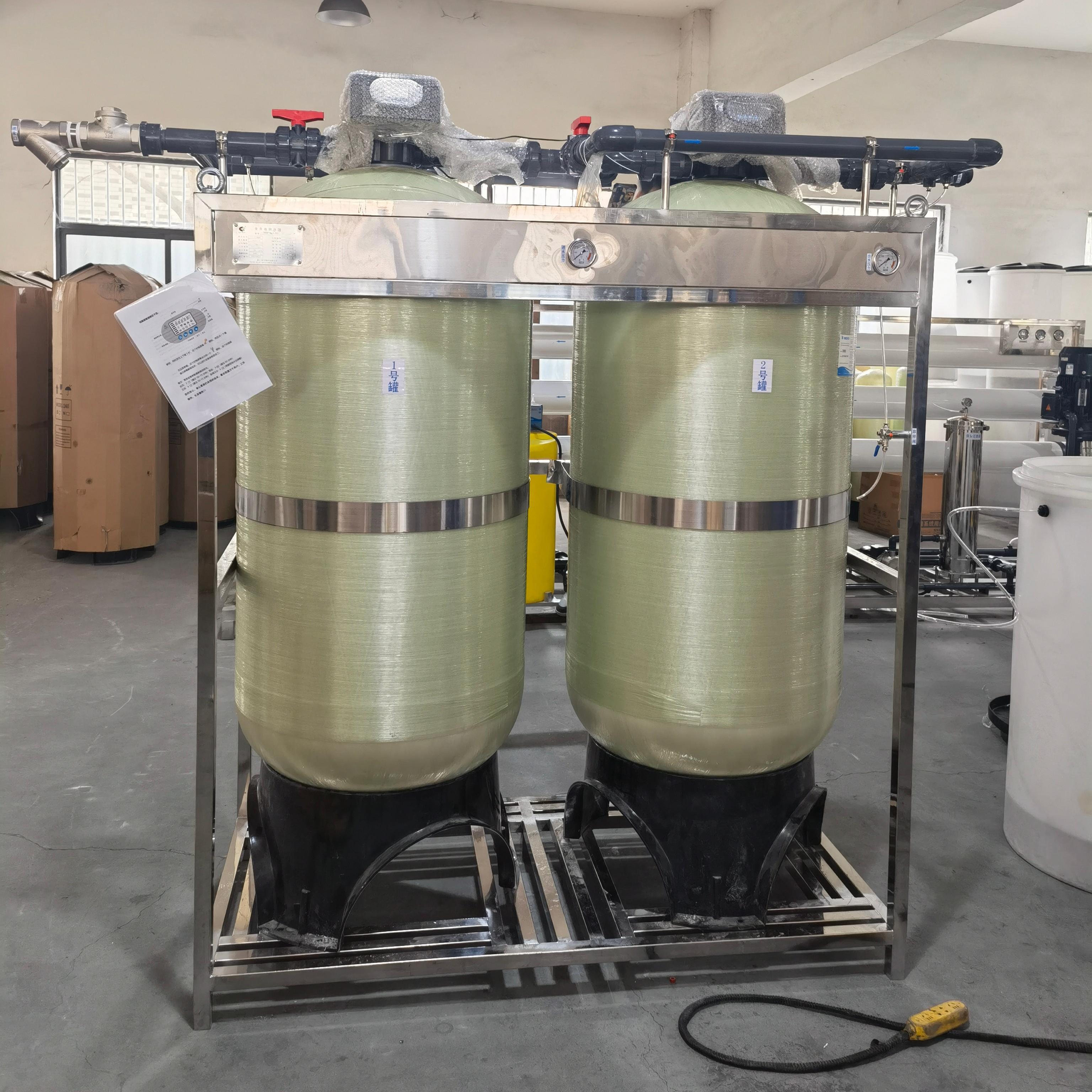
Sistemul de aprovizionare continuă cu rezervor dublu cu dublu supapă de 10-20 tone este un echipament de înaltă eficiență adecvat pentru proiecte d...
Vezi detalii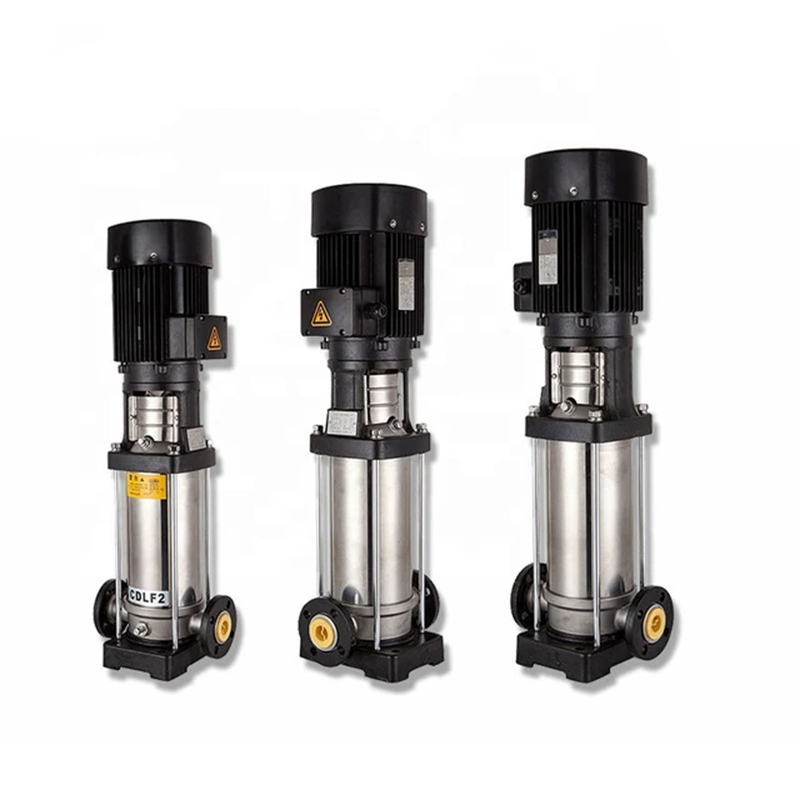
Pompa de apă cu rapel centrifugal cu mai multe etape CNP verticală este o pompă industrială eficientă și fiabilă, concepută pentru a răspunde difer...
Vezi detalii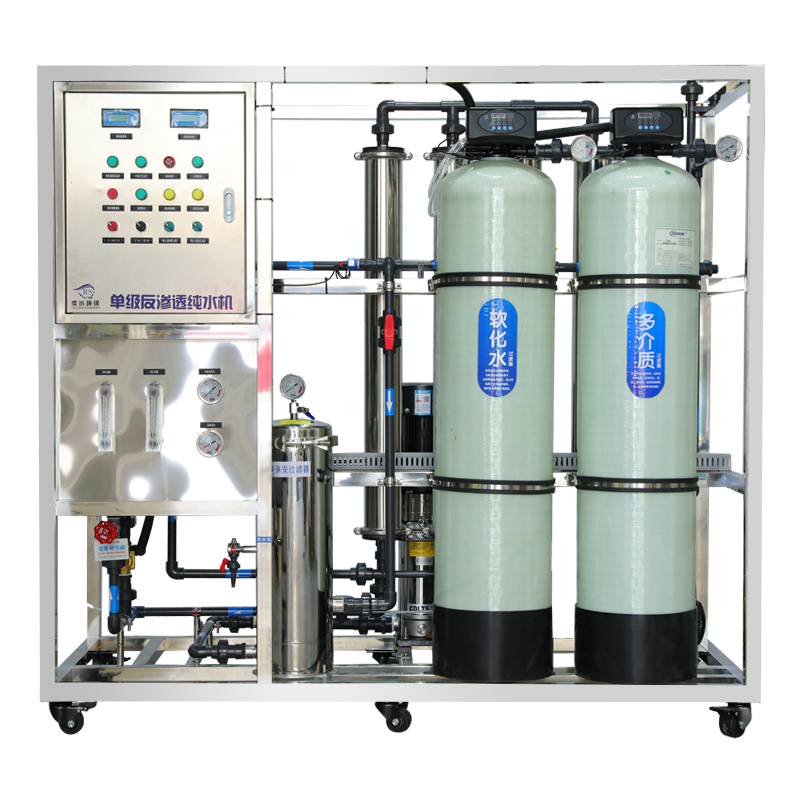
Sistemul de tratare a apei RO Pure Water Industrial este un echipament eficient și fiabil de tratare a apei special conceput pentru a răspunde cere...
Vezi detalii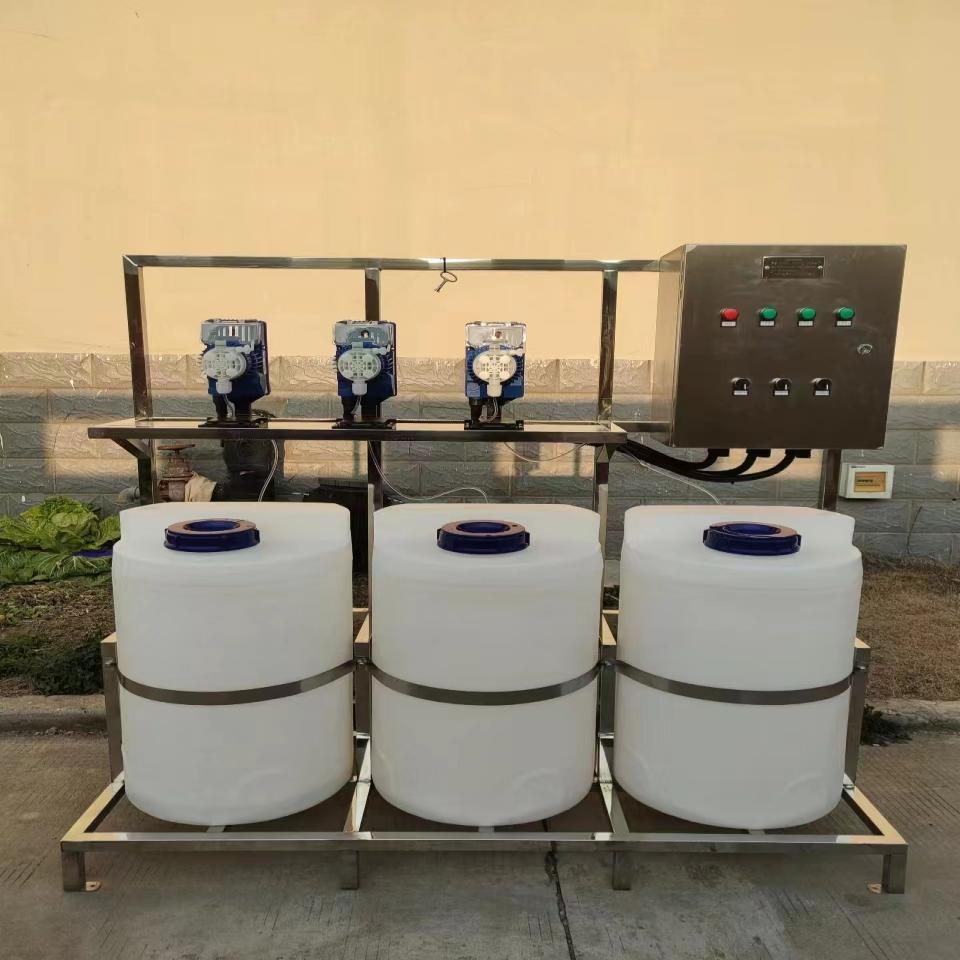
Inhibarea scării de floculare și sterilizarea cu trei pompe, cu trei barre, dispozitivul de dozare a sistemului de apă care circulă este un dispozi...
Vezi detalii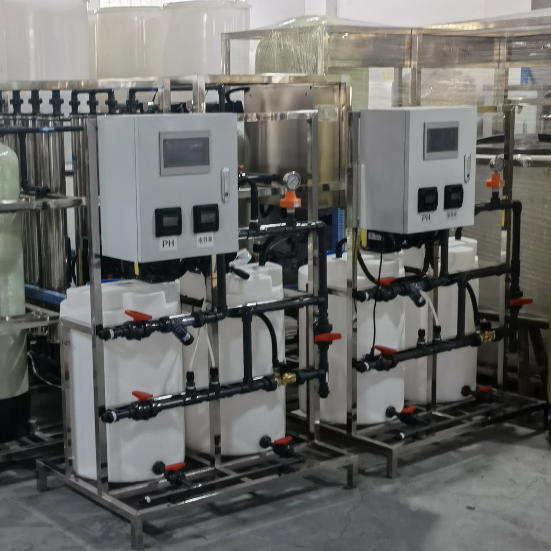
Sistemul de inhibare a scării și sterilizarea sistemului PLC Circulation Water Dispozitiv este un dispozitiv de dozare eficient proiectat pentru si...
Vezi detalii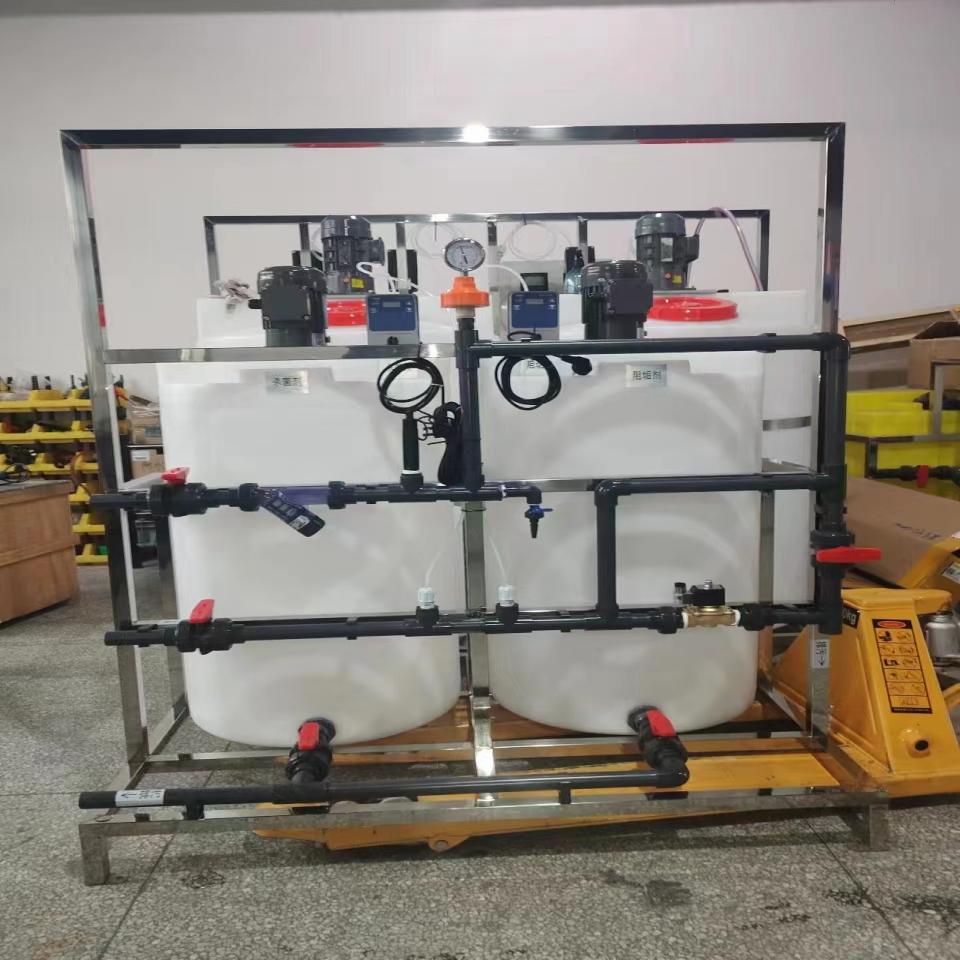
Dispozitivul de dozare a sistemului de apă care se inhibă la scară și sterilizarea este un echipament de tratare a calității apei concepute pentru ...
Vezi detalii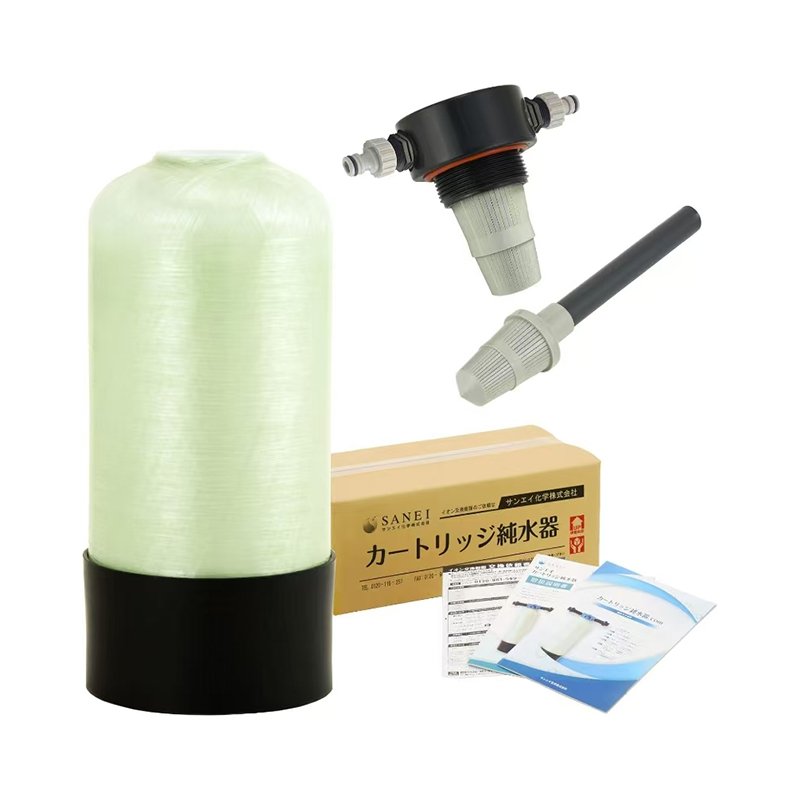
Port cu flux mare 3/4 KDF (fluxul de degradare cinetică) din filtrul nostru de apă RV îndepărtează clorul, metalele grele, bacteriile și scara, ...
Vezi detalii
+86-13396595772
[email protected]
[email protected]
[email protected]
[email protected]
Camera 508, Xingyuncheng, nr.15 Xingling Street, strada Xingqiao, districtul căptușit, orașul Hangzhou, provincia Zhejiang.
Drepturi de autor ©2024 Hangzhou Roushui Mediu Protecția Tehnologiei Co., Ltd. Toate drepturile rezervate. Producători de echipamente de purificare a purificării apei civile personalizate
