
Cat:Membrană UF
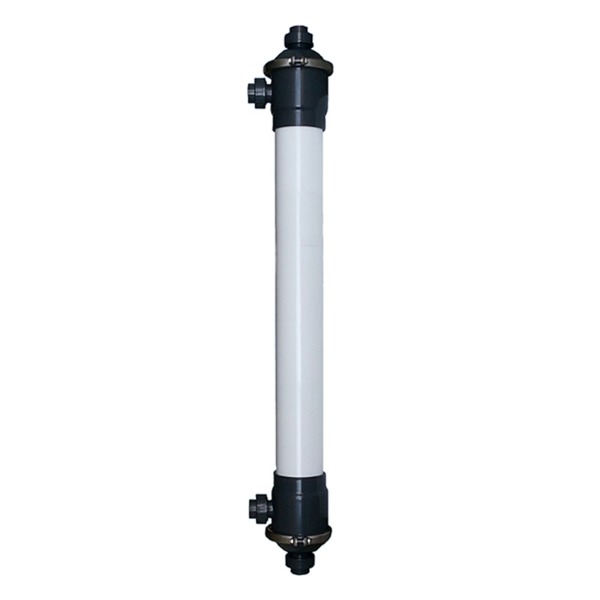
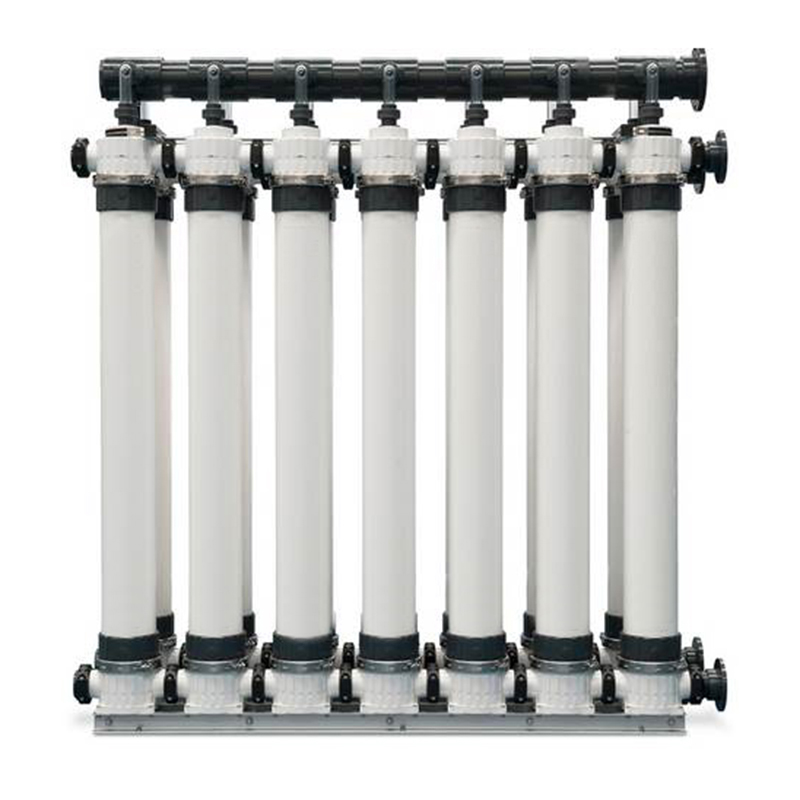
În domeniul purificării industriale a apei, sunt necesare standarde stricte de calitate. Ca răspuns la această provocare, iese în evidență un filtr...
Vezi detaliiService hotline: +86-13396595772


Membranele de ultrafiltrare (UF) sunt o componentă vitală în sistemele de osmoză inversă (RO), oferind o filtrare eficientă pentru aplicațiile de tratare a apei. Aceste membrane joacă un rol crucial în îndepărtarea contaminanților, asigurând apă curată pentru diverse scopuri industriale, municipale și rezidențiale. Cu toate acestea, performanța și longevitatea membrana UF s sunt influențate de mai mulți factori.
Calitatea apei de alimentare este unul dintre factorii critici care influențează performanța membranei UF. Apa care conține niveluri ridicate de solide în suspensie, materie organică, uleiuri și microorganisme poate cauza murdărirea rapidă și detartrarea suprafeței membranei. Murdarea apare atunci când particulele sau substanțele dizolvate aderă la suprafața membranei, reducând eficiența și durata de viață a acesteia.
Puncte cheie:
Condițiile de funcționare în care sunt utilizate membranele UF influențează semnificativ eficiența acestora. Aceste condiții includ presiunea, debitul și temperatura, care afectează direct procesul de filtrare și longevitatea membranei.
Presiune:
Presiunea de funcționare este un factor cheie în performanța membranei UF. Presiunile mai mari pot crește fluxul de apă, dar și accelerarea murdăriei, deoarece contaminanții sunt împinși prin membrană într-un ritm mai rapid. Dacă presiunea este prea scăzută, rata de filtrare poate scădea, rezultând performanțe suboptime ale sistemului.
Debit:
Debitul trebuie optimizat pentru a evita forțele de forfecare excesive care pot deteriora membrana. Debitele mari pot stresa membrana și uzura prematură, în timp ce debitele scăzute pot duce la o performanță scăzută.
Temperatura:
Temperatura joacă un rol important în permeabilitatea membranei. La temperaturi mai ridicate, permeabilitatea membranei crește, ceea ce poate îmbunătăți fluxul de apă. Cu toate acestea, temperaturile ridicate pot, de asemenea, să slăbească materialul membranei, reducându-i probabil durata de viață.
Tipul de material utilizat pentru membranele UF influențează durabilitatea și rezistența acestora la murdărie. Materialele comune ale membranei includ polisulfonă, fluorură de poliviniliden (PVDF) și polietersulfonă (PES), fiecare cu proprietăți unice în ceea ce privește rezistența chimică, stabilitatea temperaturii și rezistența la murdărie.
Alegerea materialului:
Designul membranei, inclusiv dimensiunea porilor și încărcarea suprafeței, afectează, de asemenea, eficiența de filtrare și înclinația la murdărie. Membranele cu pori mai mici pot oferi o filtrare mai bună, dar pot fi mai predispuse la murdărie, în timp ce membranele cu pori mai mari pot permite trecerea mai multor contaminanți.
Curățarea și întreținerea regulată sunt esențiale pentru prelungirea duratei de viață a membranelor UF. Murdărirea poate fi atenuată prin curățarea periodică, dar curățarea excesivă poate deteriora structura membranei. Este important să utilizați substanțele chimice de curățare corecte și să urmați instrucțiunile producătorului pentru a preveni degradarea chimică.
Metode de curățare:
Frecventa de intretinere:
Frecvența curățării depinde de factori precum calitatea apei de alimentare, rata de murdărie și condițiile de funcționare. Practicile proaste de întreținere pot deteriorări ireversibile, reducând eficacitatea membranei.
Murdărirea membranei este o problemă semnificativă care afectează direct performanța membranei UF. Există mai multe tipuri de murdărire, printre care:
Fiecare tip de murdărie necesită strategii diferite de atenuare. Pre-tratarea adecvată a apei de alimentare, cum ar fi îndepărtarea particulelor sau utilizarea agenților antivegetativ, poate reduce semnificativ murdăria și poate îmbunătăți performanța membranei.
Compatibilitatea membranelor UF cu diferite substanțe chimice utilizate în sistemele de osmoză inversă este critică atât pentru performanță, cât și pentru longevitate. Produsele chimice utilizate pentru dezinfecție, inhibarea detartrajului sau curățare trebuie să fie compatibile cu materialul membranei. Substanțele chimice incompatibile pot degrada membrana, reducând eficiența operațională a acesteia.
Considerații cheie:
Vârsta membranei UF este un alt factor care îi afectează performanța. Pe măsură ce membranele îmbătrânesc, permeabilitatea lor scade, iar riscul de murdărie crește. Membranele trebuie înlocuite după ce au ajuns la sfârșitul duratei de viață pentru a menține eficiența sistemului.
Semne de îmbătrânire:
Performanța și longevitatea membranelor UF în sistemele de osmoză inversă sunt influențate de mai mulți factori, inclusiv calitatea apei, condițiile de funcționare, materialul membranei, practicile de curățare, mecanismele de murdărie și compatibilitatea chimică. Înțelegerea acestor factori este esențială pentru optimizarea performanței membranei și pentru asigurarea eficienței pe termen lung a sistemelor de tratare a apei. Întreținerea corespunzătoare, inclusiv curățarea regulată și monitorizarea atentă, poate prelungi semnificativ durata de viață a membranelor UF, oferind atât beneficii economice, cât și de mediu.
1. Care este cauza principală a murdării membranei UF?
2. Cum pot preveni detartrajul pe membranele UF?
3. Cât de des trebuie curățate membranele UF?
4. Ce materiale sunt utilizate în mod obișnuit pentru membranele UF?
5. Se pot folosi membrane UF în toate tipurile de apă?
În domeniul purificării industriale a apei, sunt necesare standarde stricte de calitate. Ca răspuns la această provocare, iese în evidență un filtr...
Vezi detalii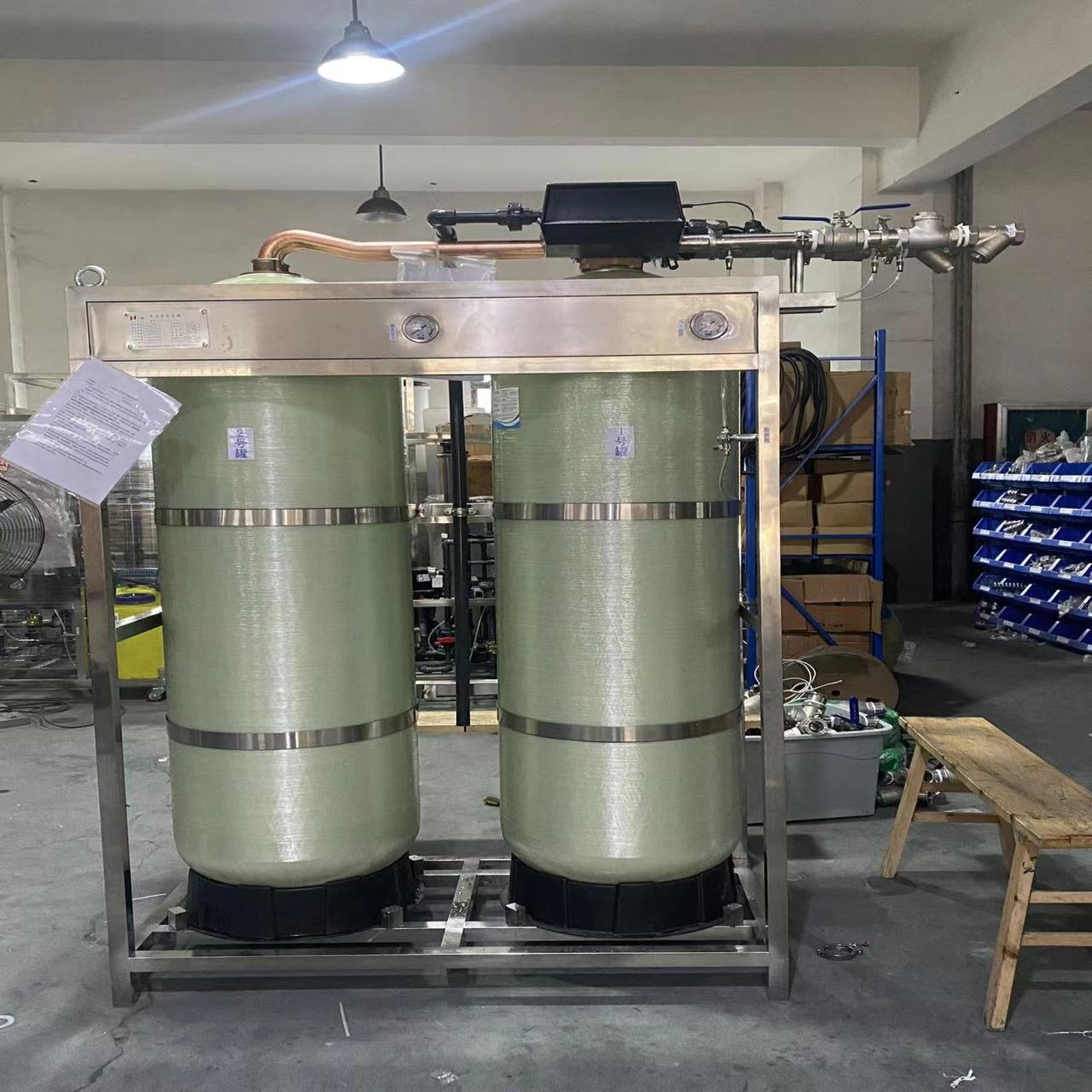
5-6 tone rezervor dublu cu o singură supapă, unul pentru utilizare și unul pentru standby este un dispozitiv conceput pentru sisteme de tratare a a...
Vezi detalii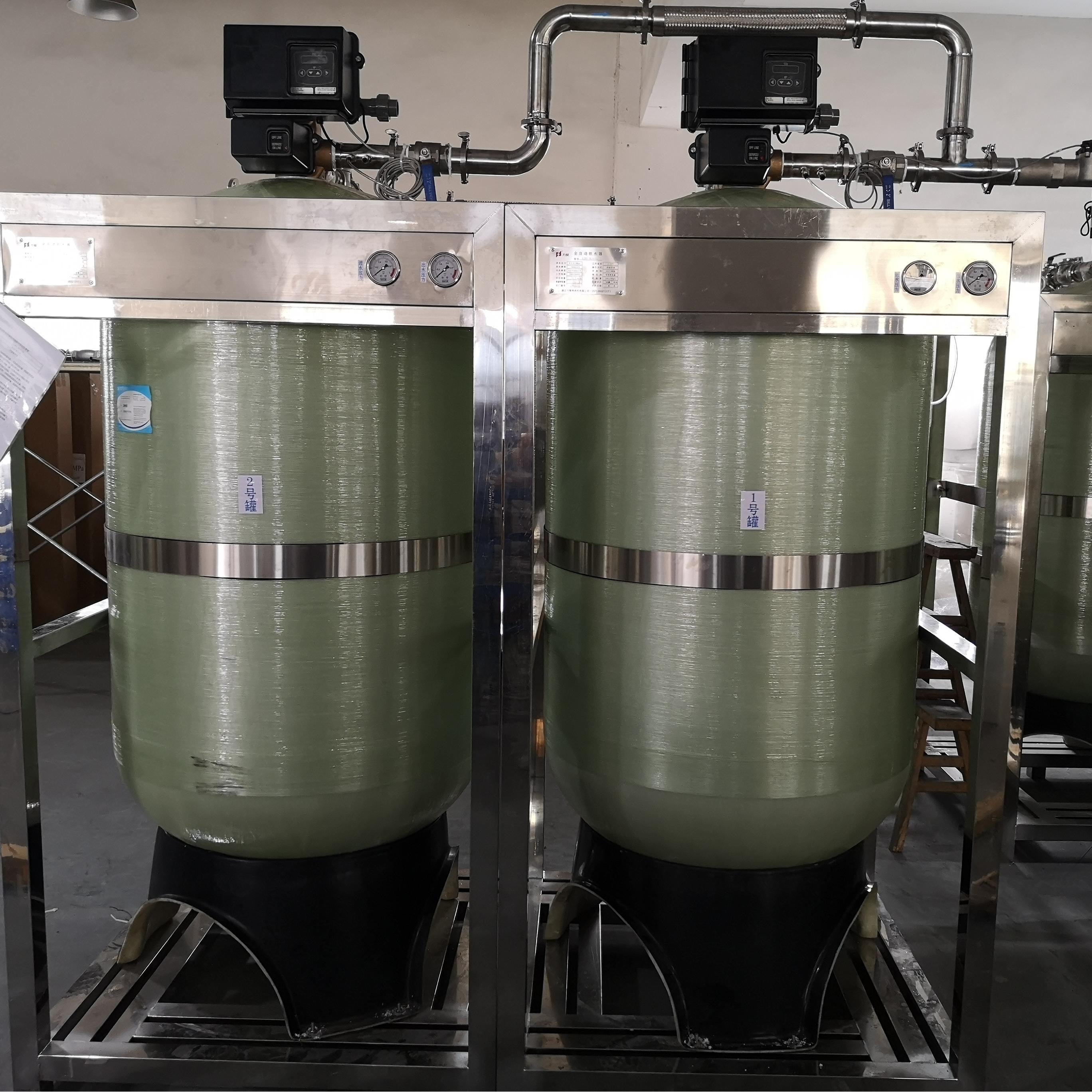
Rezervorul dublu cu dublu valve de 16 tone, unul pentru utilizare și unul pentru sistemul de tratare a apei de așteptare este un echipament de trat...
Vezi detalii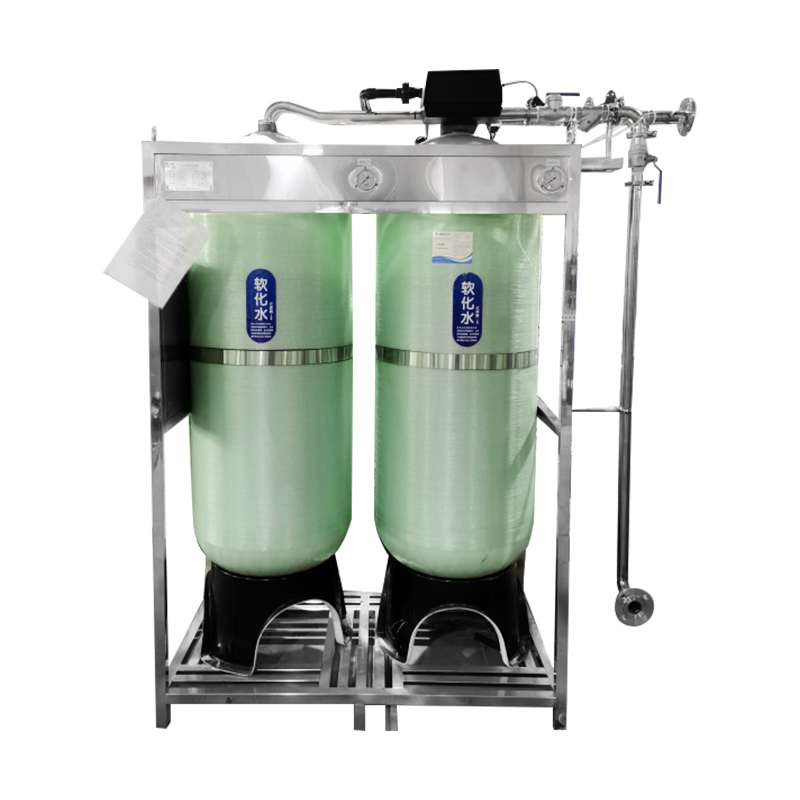
Sistemele comerciale și industriale de înmuiere a apei sunt soluții de tratare a apei extrem de eficiente concepute pentru zonele comerciale și ind...
Vezi detalii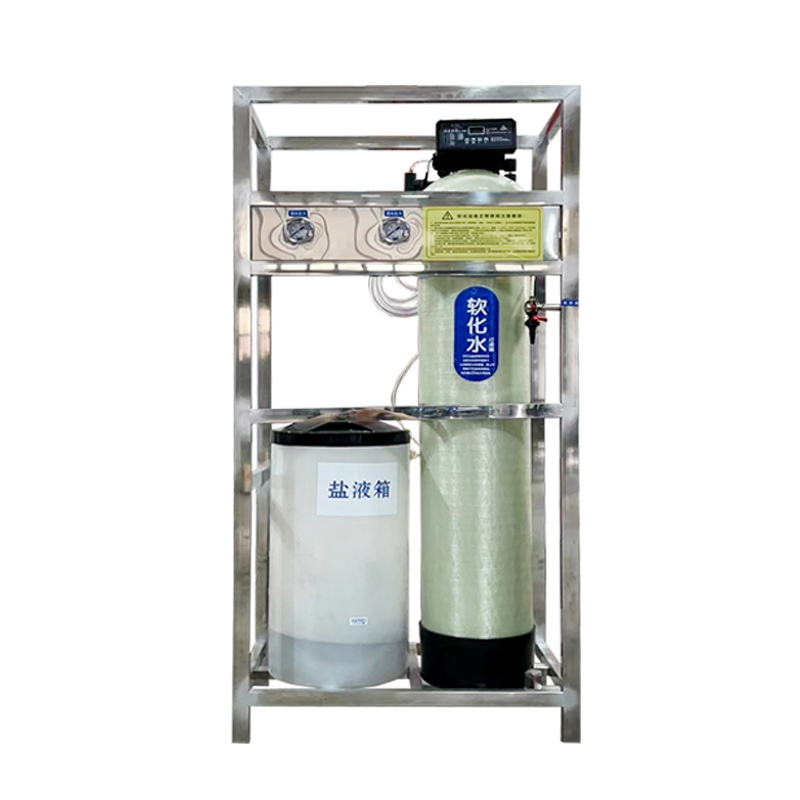
Echipamentul complet automat de înmuiere a apei este un fel de echipament utilizat pentru a îndepărta duritatea (în principal ioni de calciu și mag...
Vezi detalii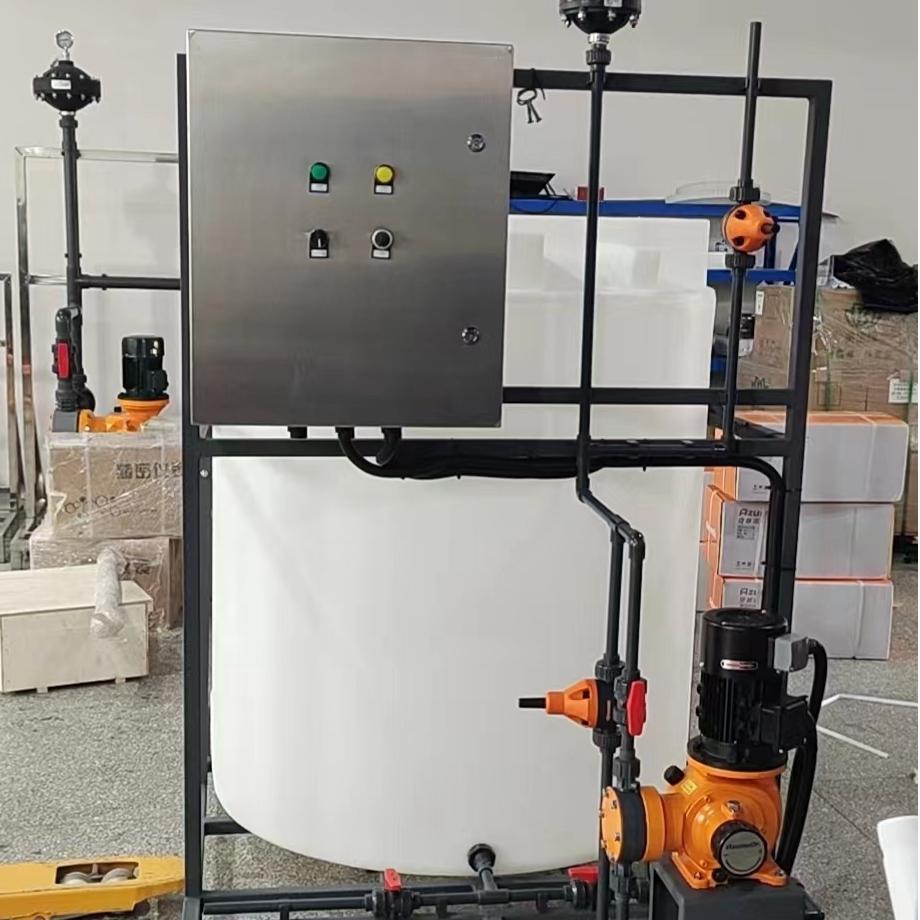
Dispozitiv de dozare cu o singură pompă pentru floculare este un dispozitiv de dozare automată utilizat în procesul de tratare a apei. Este utiliza...
Vezi detalii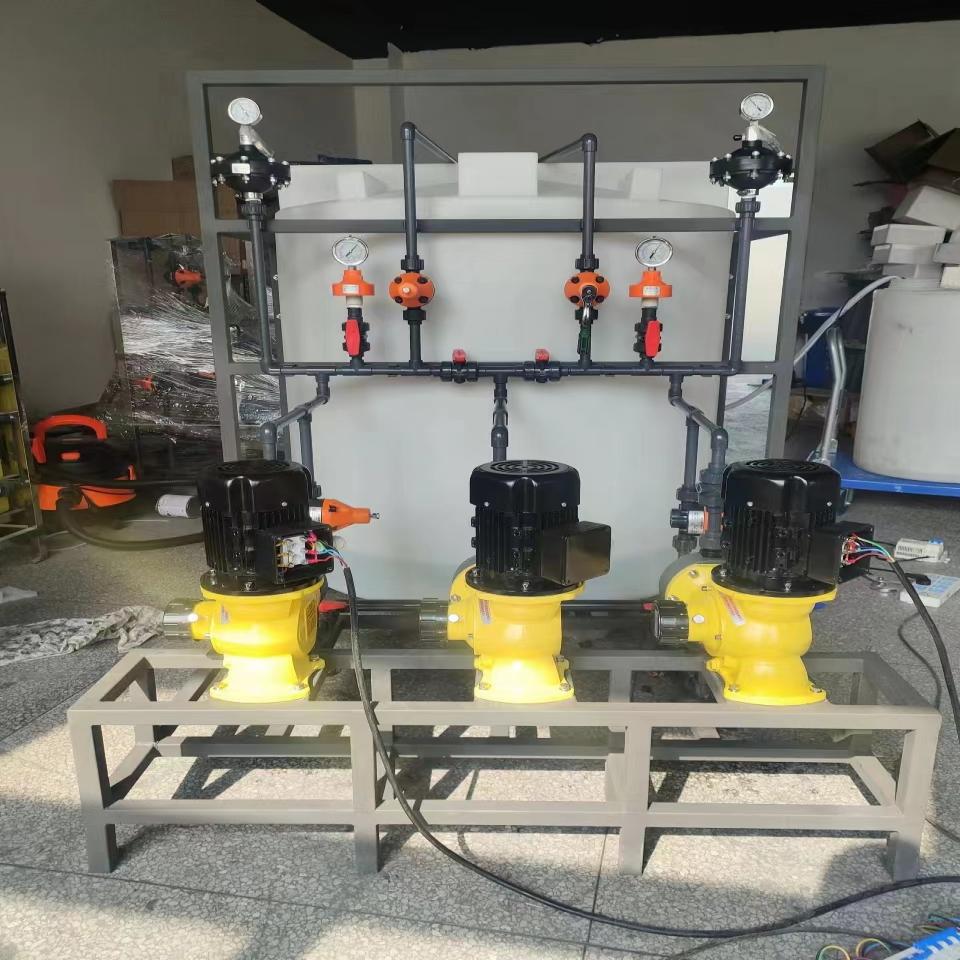
Sterilizarea, prevenirea scării, PAC, PAM și alte dispozitive de dozare cu două scopuri este un echipament multifuncțional de tratare a apei care i...
Vezi detalii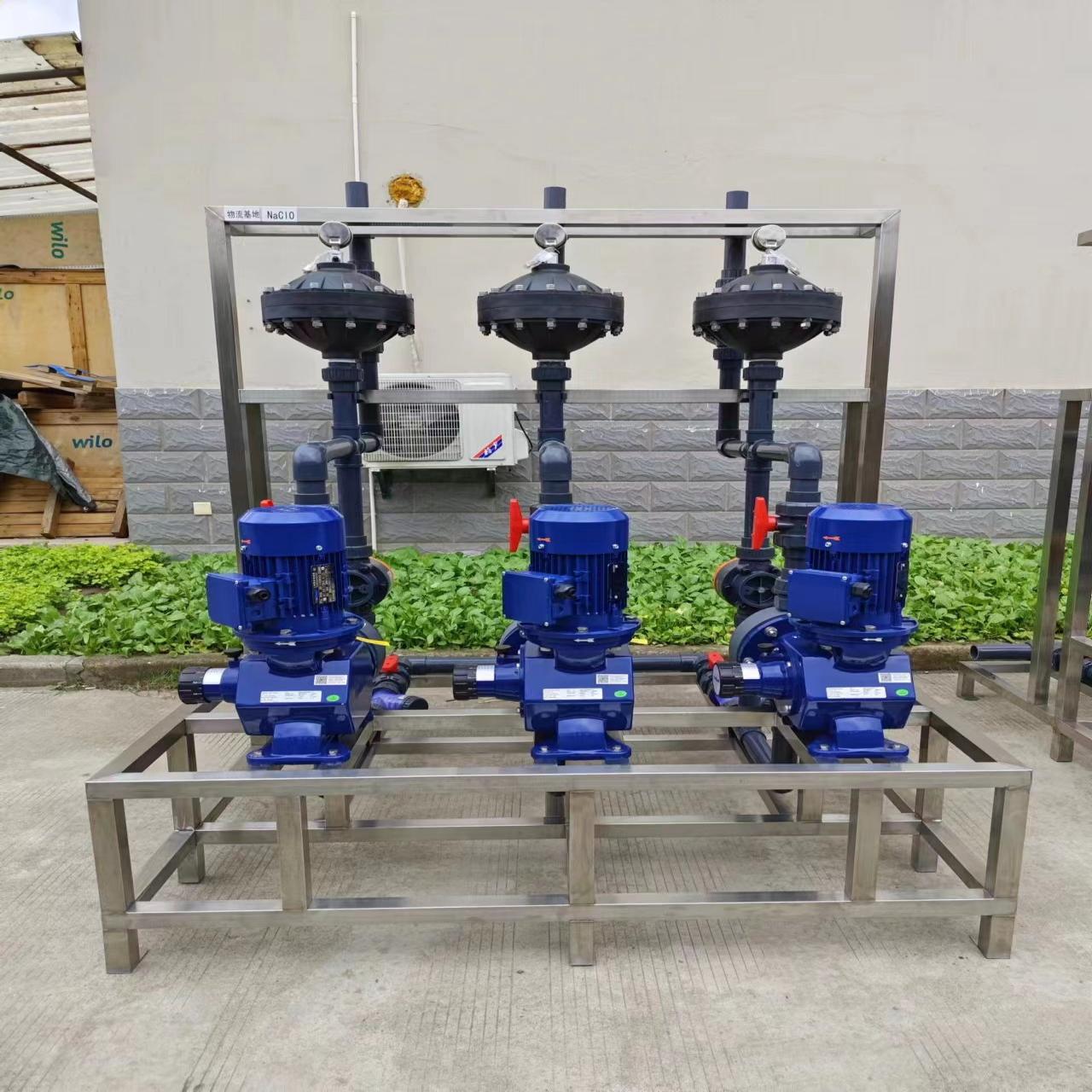
Neutralizarea acid-bazei și dozarea echipamentelor gazdă sunt de obicei utilizate în domeniul tratării industriale a apelor uzate sau a reglării ca...
Vezi detalii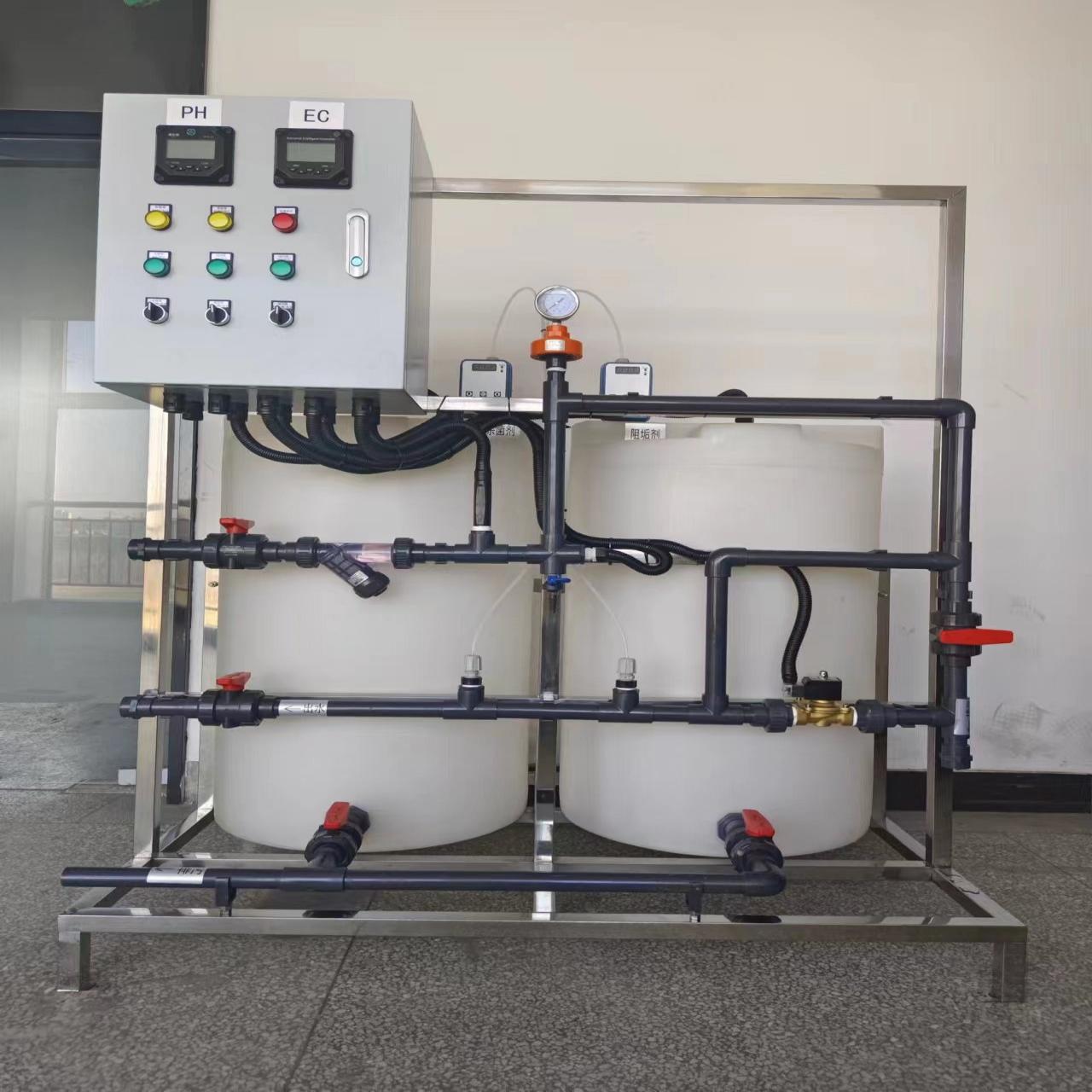
Dispozitivul de dozare a apei duble cu dublu pompă care circulă cu apă de prevenire a scării și sterilizare este un sistem de dozare integrat echip...
Vezi detalii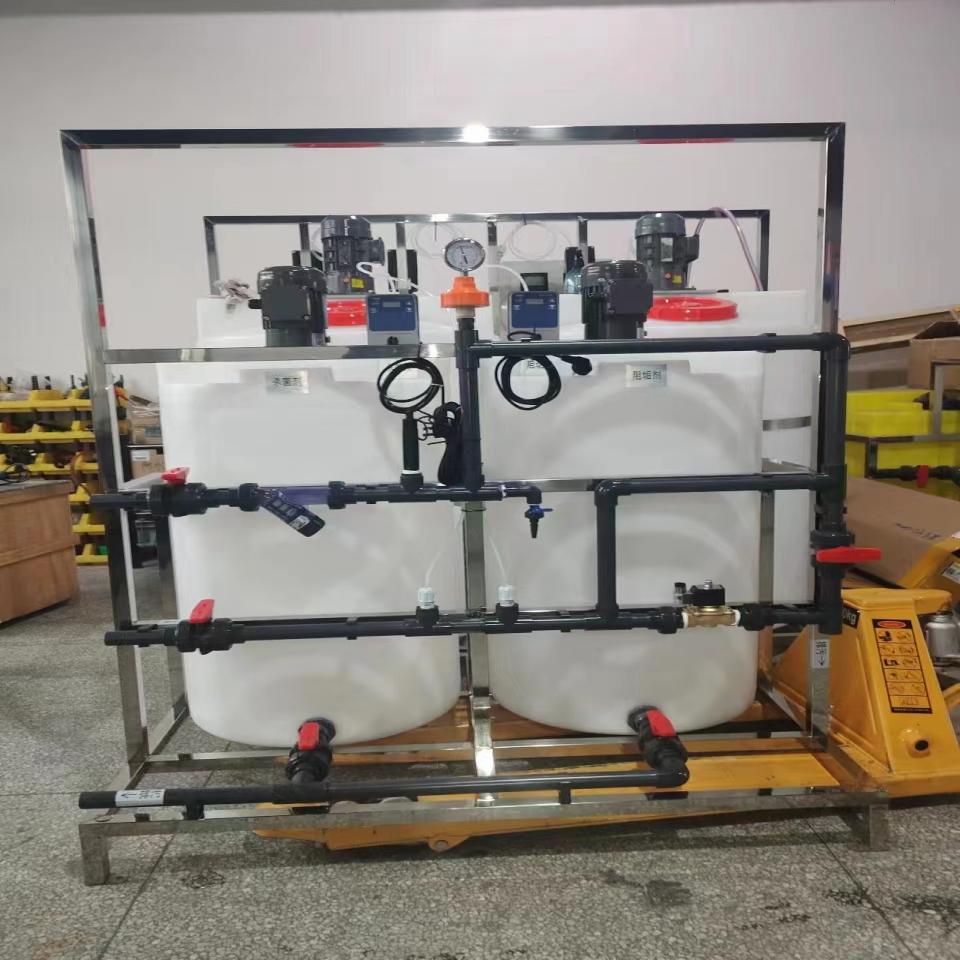
Dispozitivul de dozare a sistemului de apă care se inhibă la scară și sterilizarea este un echipament de tratare a calității apei concepute pentru ...
Vezi detalii
+86-13396595772
[email protected]
[email protected]
[email protected]
[email protected]
Camera 508, Xingyuncheng, nr.15 Xingling Street, strada Xingqiao, districtul căptușit, orașul Hangzhou, provincia Zhejiang.
Drepturi de autor ©2024 Hangzhou Roushui Mediu Protecția Tehnologiei Co., Ltd. Toate drepturile rezervate. Producători de echipamente de purificare a purificării apei civile personalizate
